Framing &
The Gaze
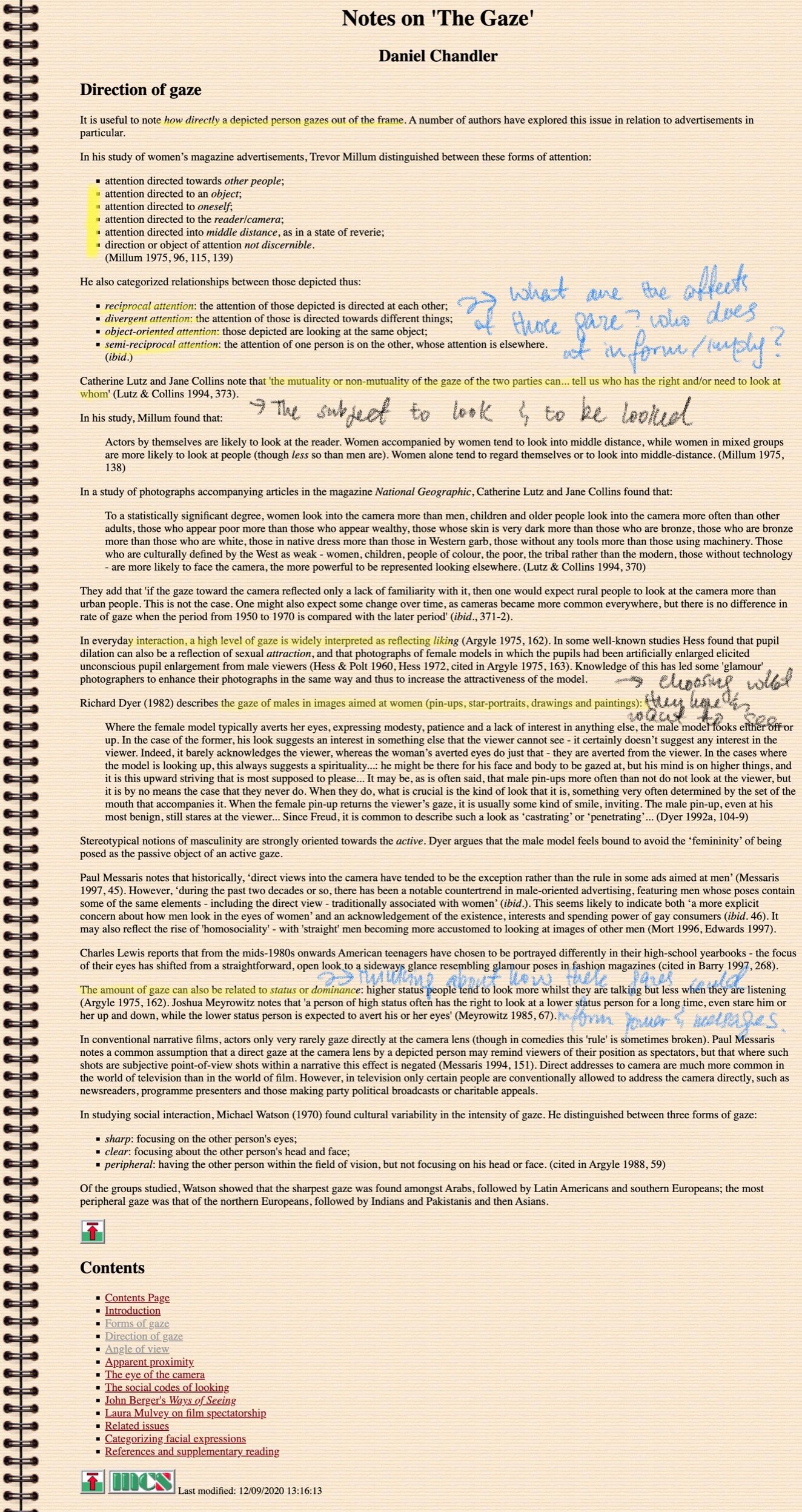
An artwork can only be seen completed with a reception. The perceiver creates meaning to an art-piece as it accomplishes the transcending of a message. Framing & The Gaze subsequently plays a significant role in this process. Where the work is exhibited and how it is positioned may influence the way it could be perceived. The atmosphere, mood, and tone could turn out totally indifferent to the artist’s intention depending on its placement. By placing objects in a certain way and order, the storytelling aspect of a piece of work could change along its changed structure.
In addition, we see the medium and the ‘gaze’ of an audience also interplaying with the process of this reception. Each individual comes from a different background bringing unique experiences into the way they see. The chosen medium, framing and its intended purpose may differ to each person, and it is exactly these aspects which we as Art Directors need to cognise about. As we plan to prompt change through our creations, we are required to understand the perceptual process in order to magnify our work’s effectiveness.

Understanding Visual Grammar & The Gaze
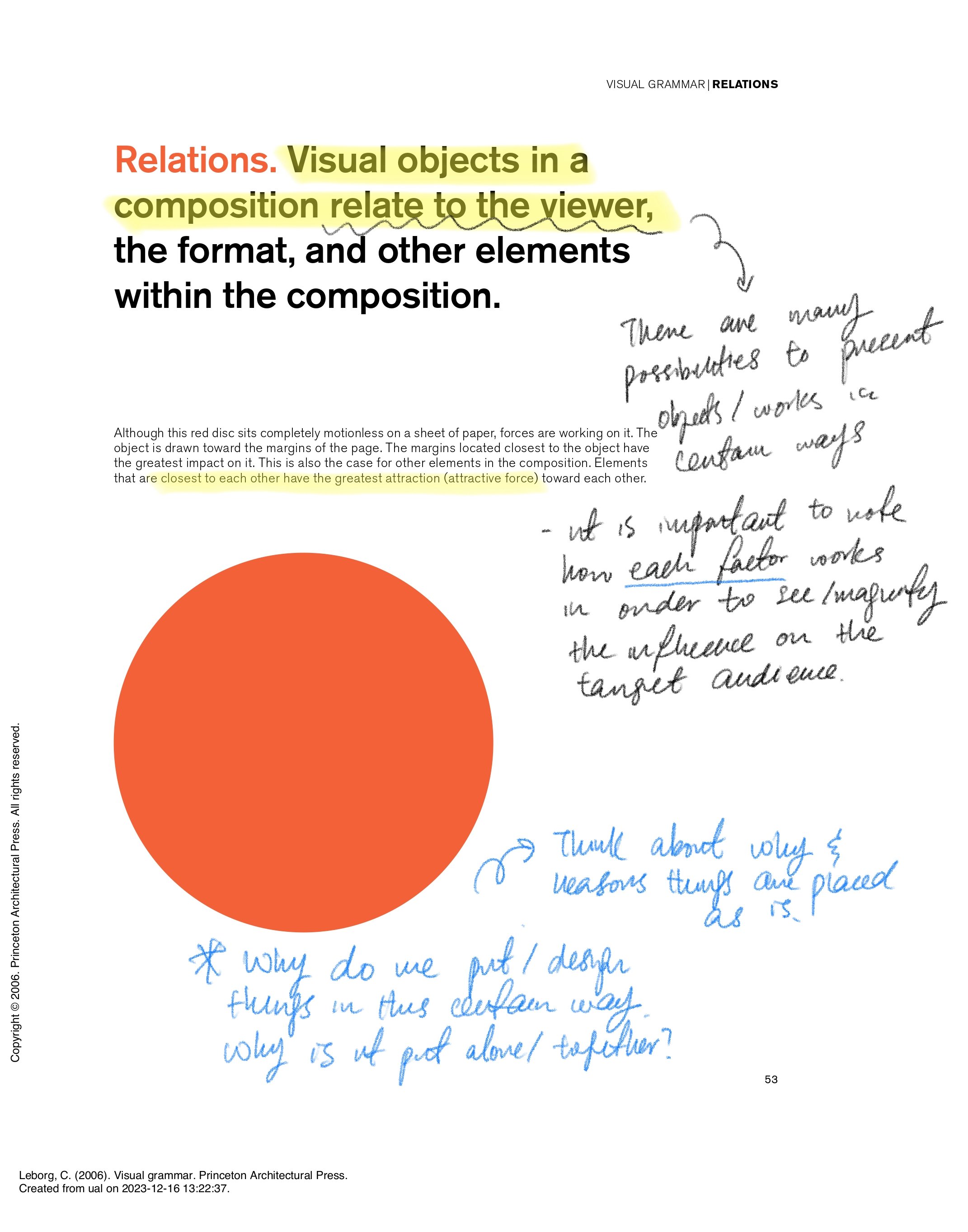
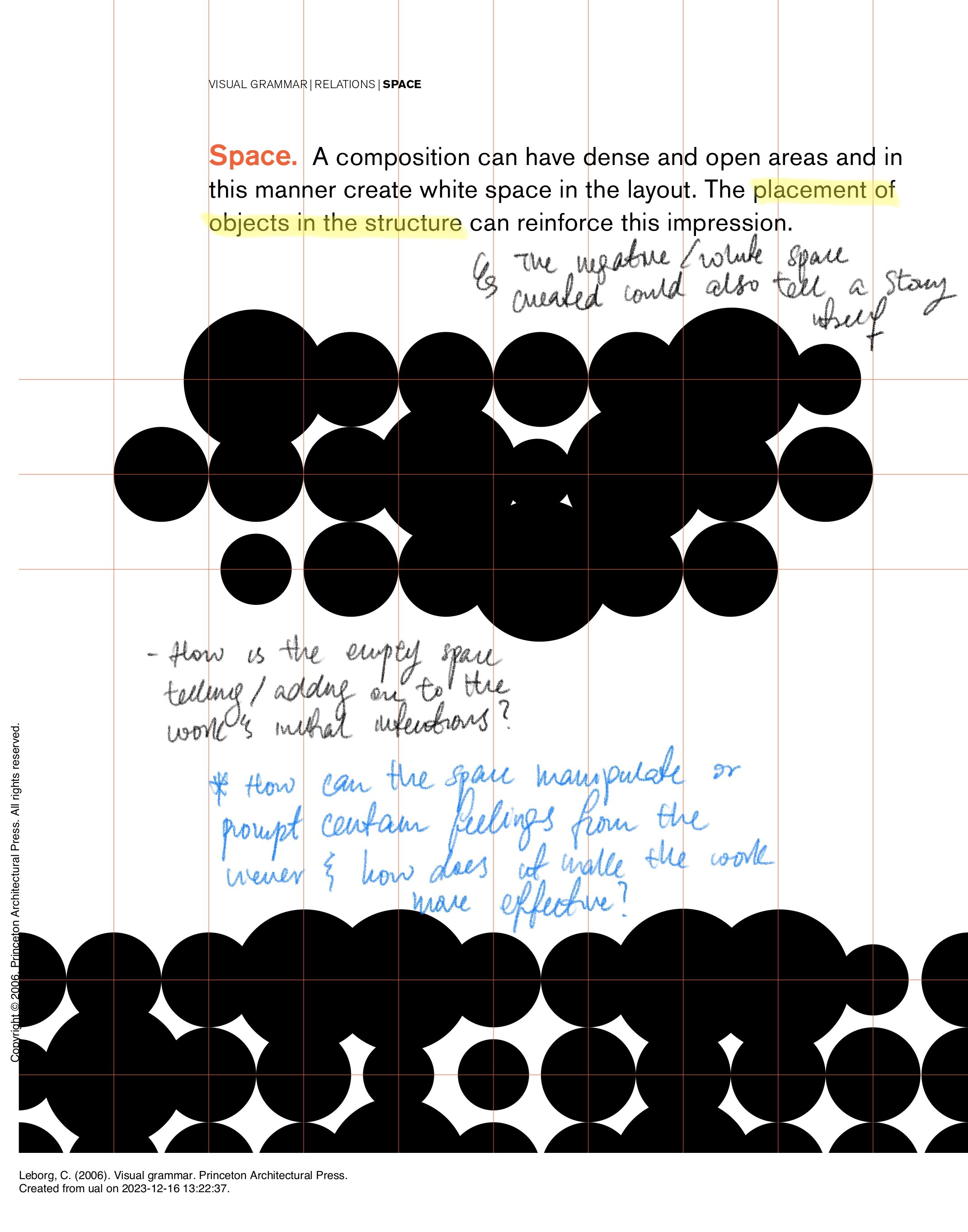
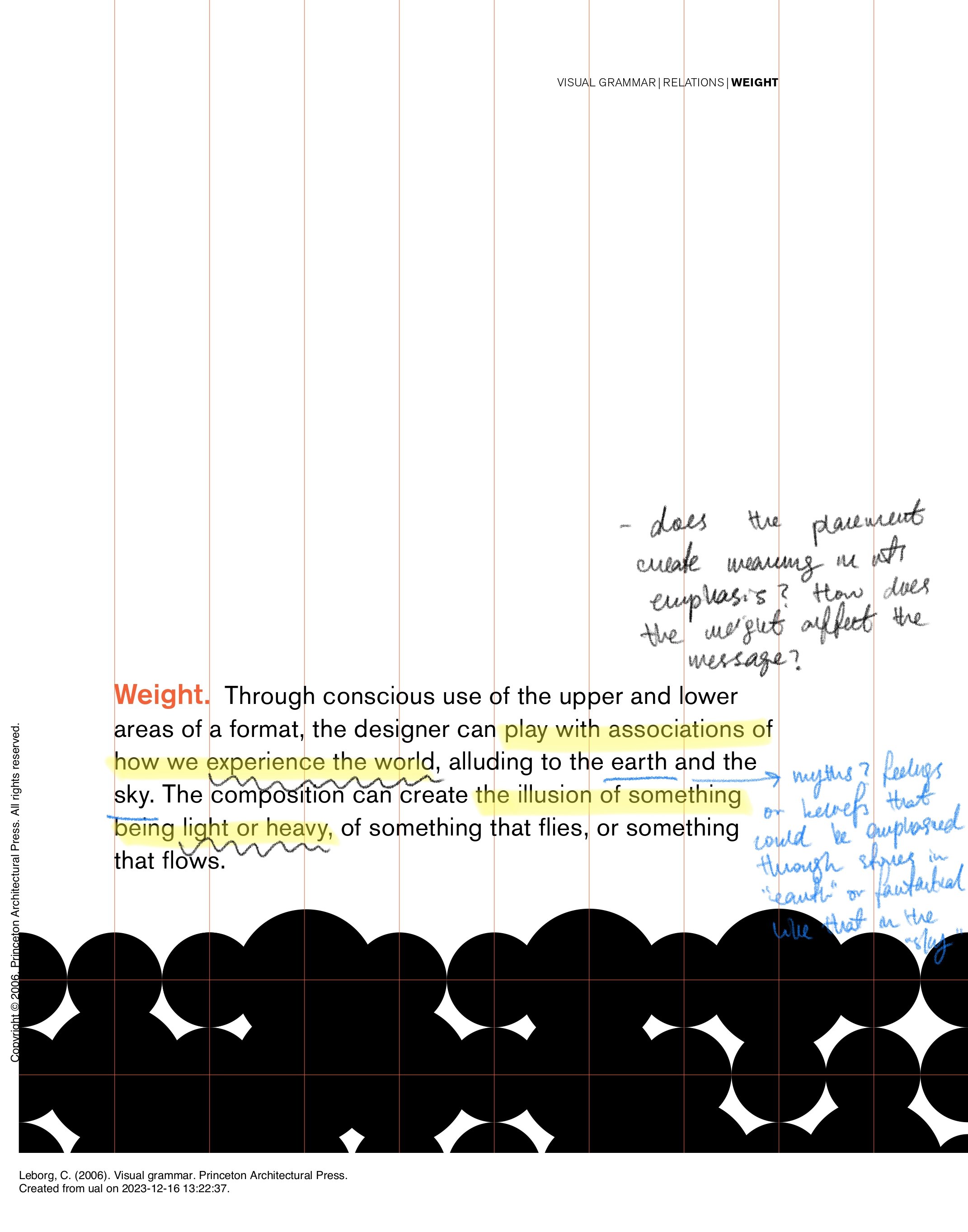
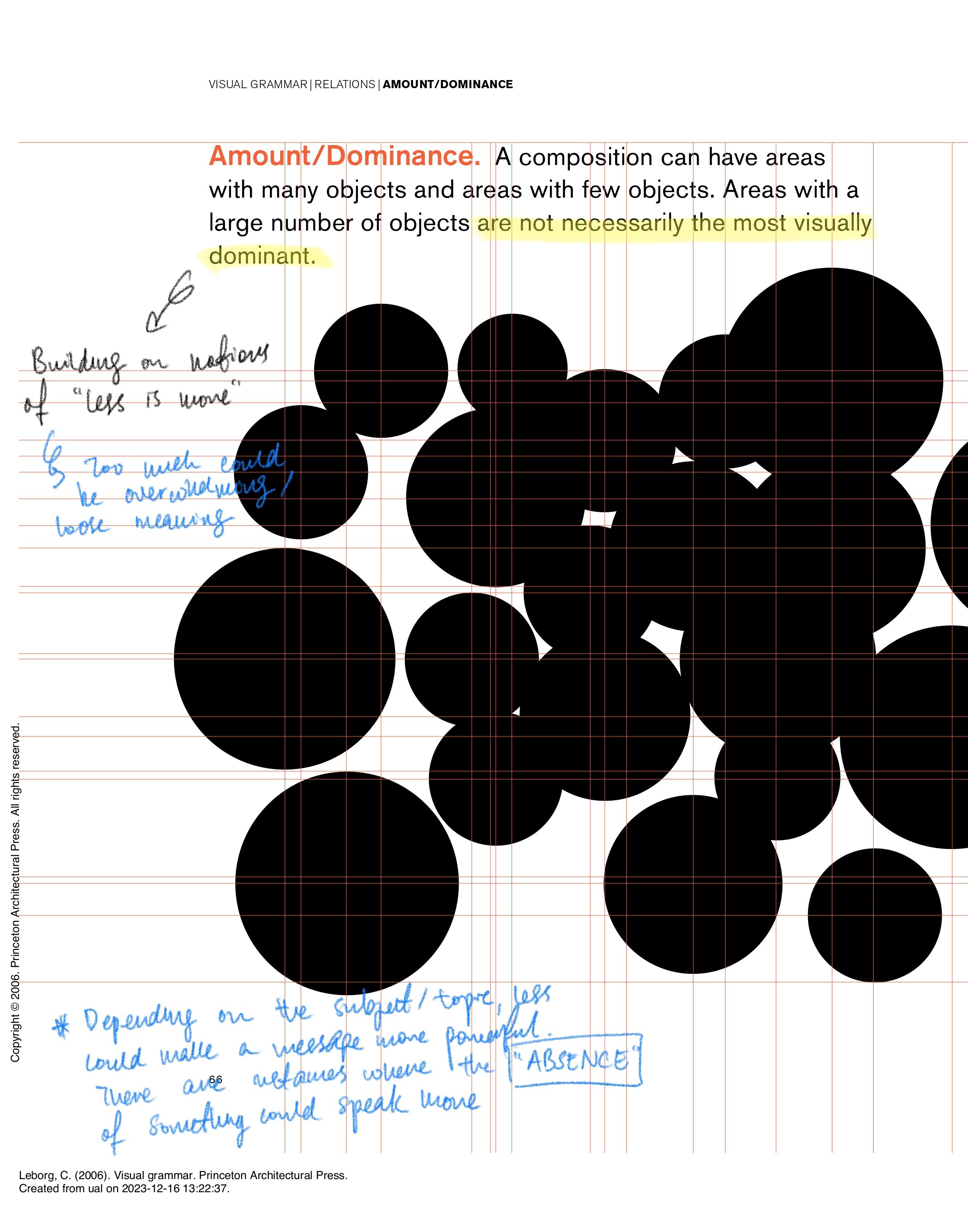
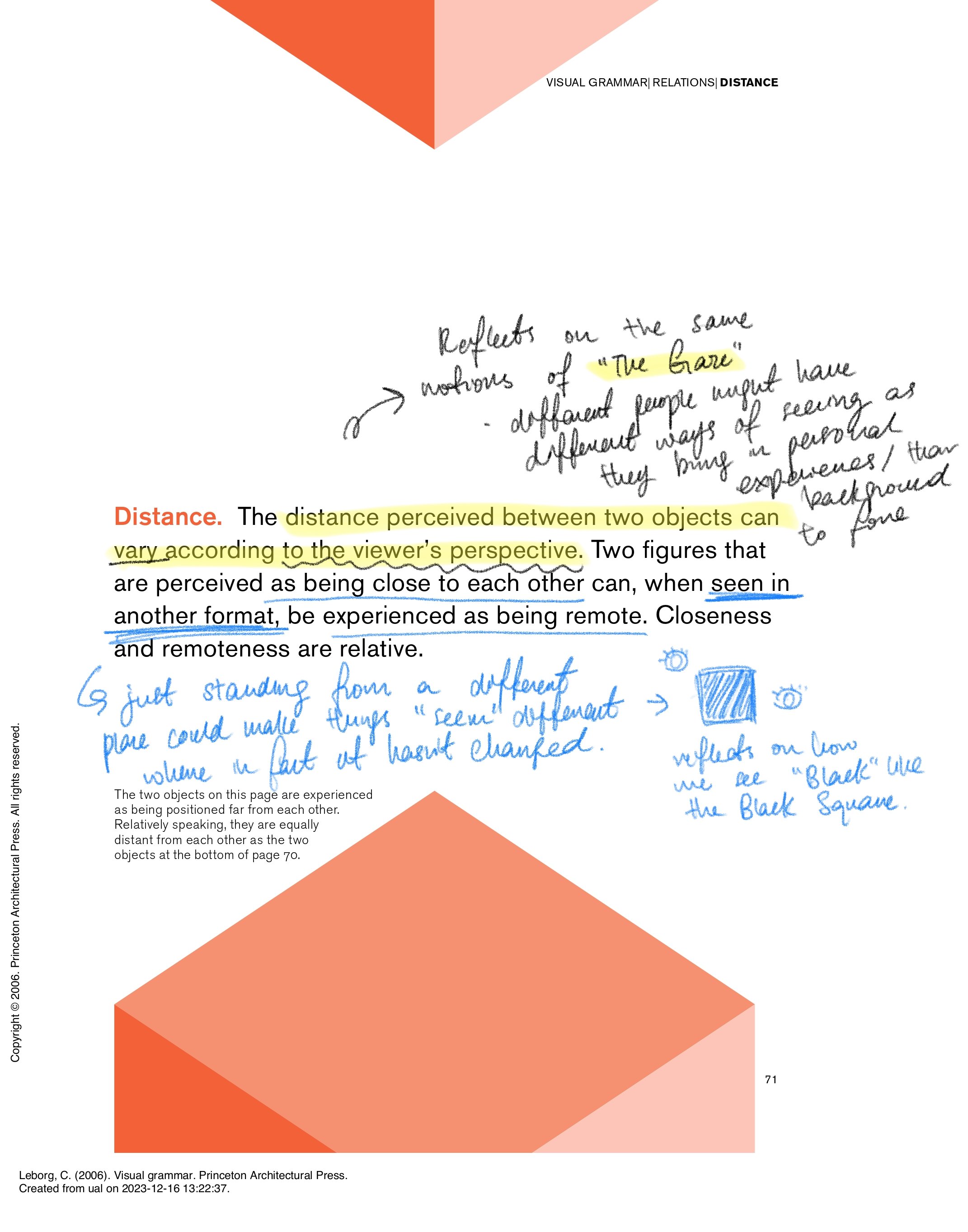
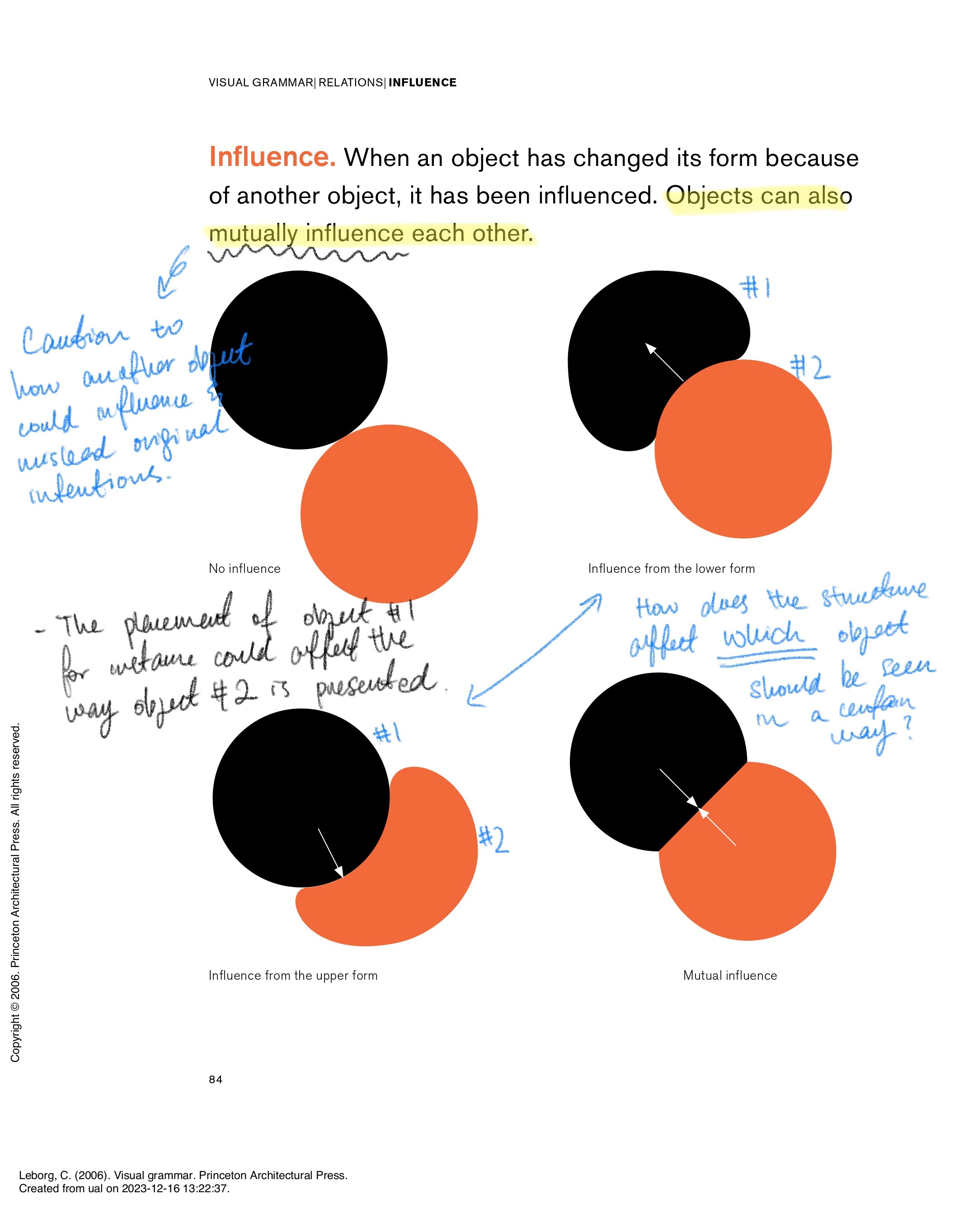
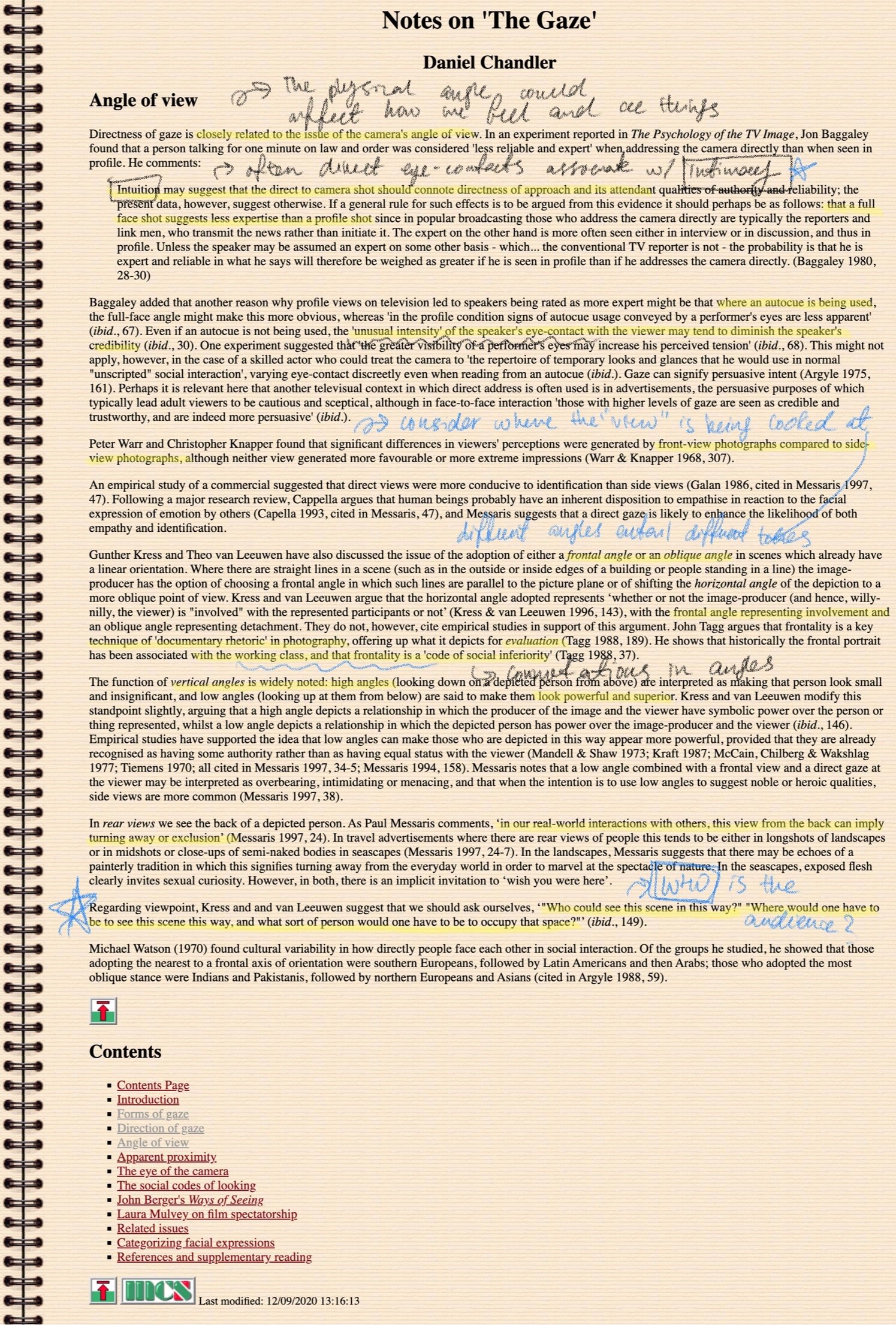
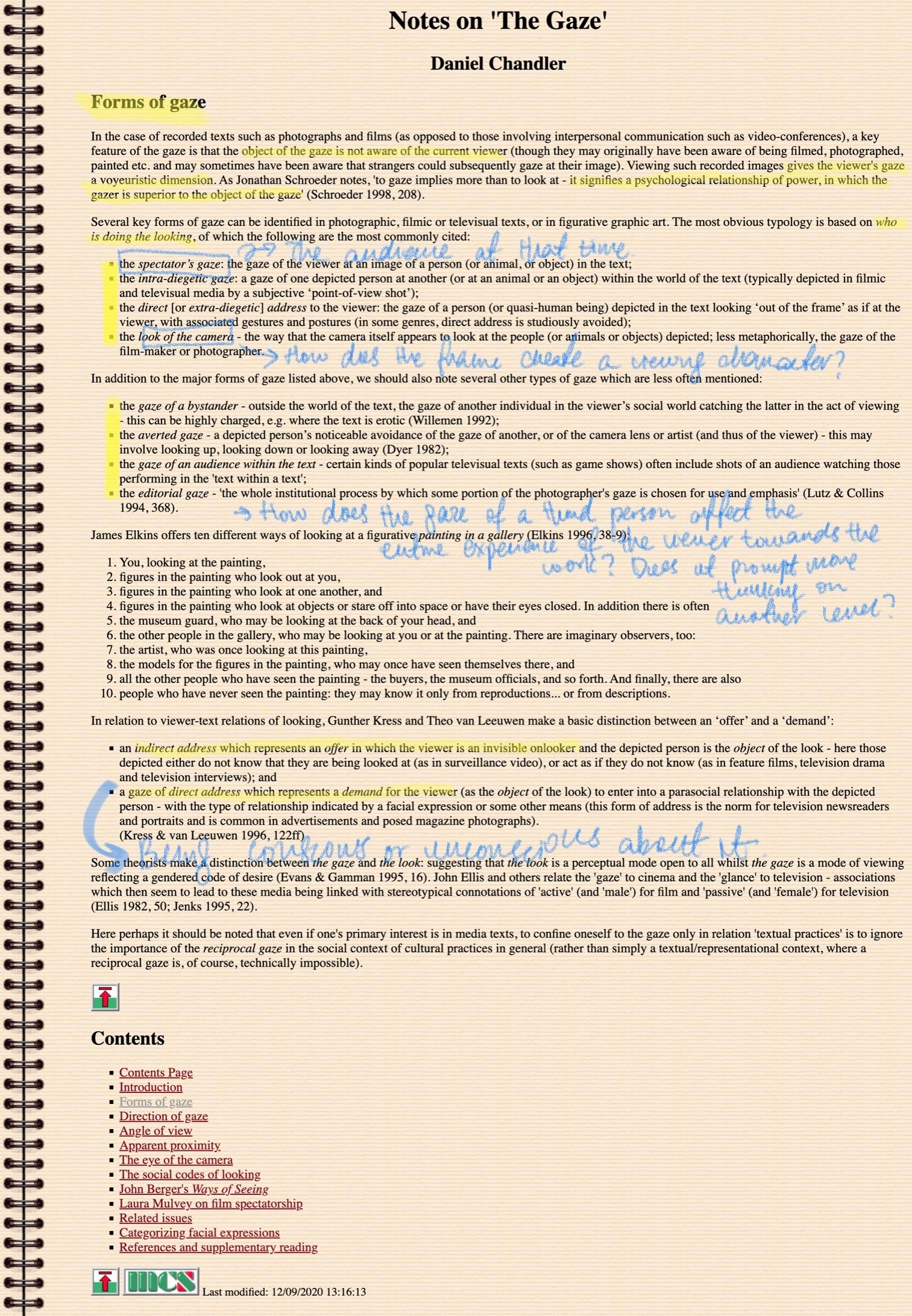
Composition is a prominent aspect when framing. There are many possibilities of presentation and positioning that could maximise intended influences and effectiveness of an artwork/ design. It is important to understand and cognise each visual design factor in order to create depth and give further meaning to the presented idea. Below shows:
A slider gallery featuring personal thinking processes and notes/ research on understanding the basic principles of design while bringing in its relation and importance to ‘The Gaze’. The research and note-taking has led me inquiring more about subjectivity and how visual grammar could prompt certain effects, but could still be understand differently depending on who the viewer is as they bring in perspectives stemming from different experiences and background.
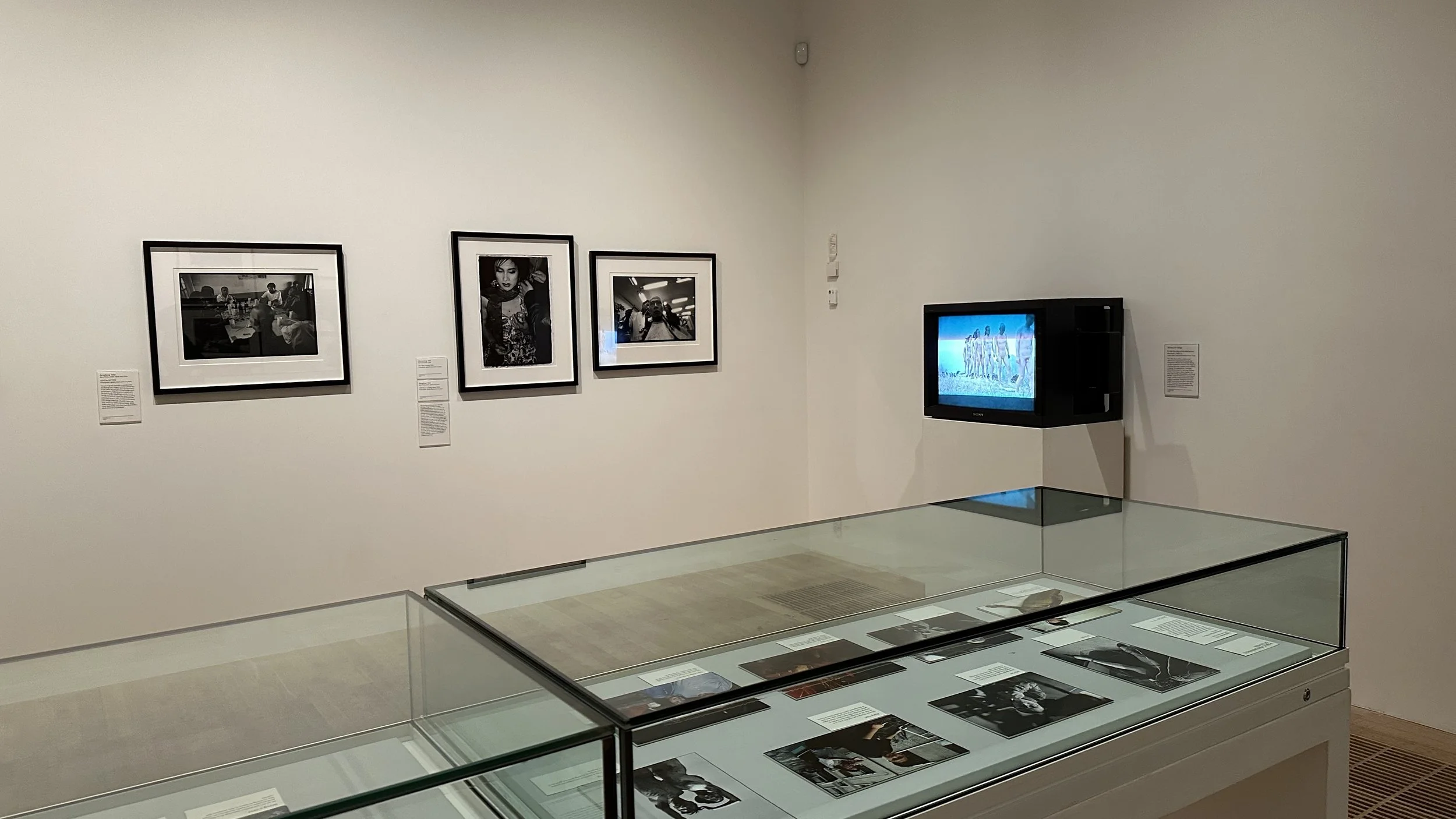
Class activity to analyse artworks from ‘Tate Modern’ with respect to framing and ‘The Gaze’. Exploring how other artists has made use of space and composition to bring bigger impact towards what they are trying to convey/ communicate.

Visiting Tate Modern
•
Visiting Tate Modern •
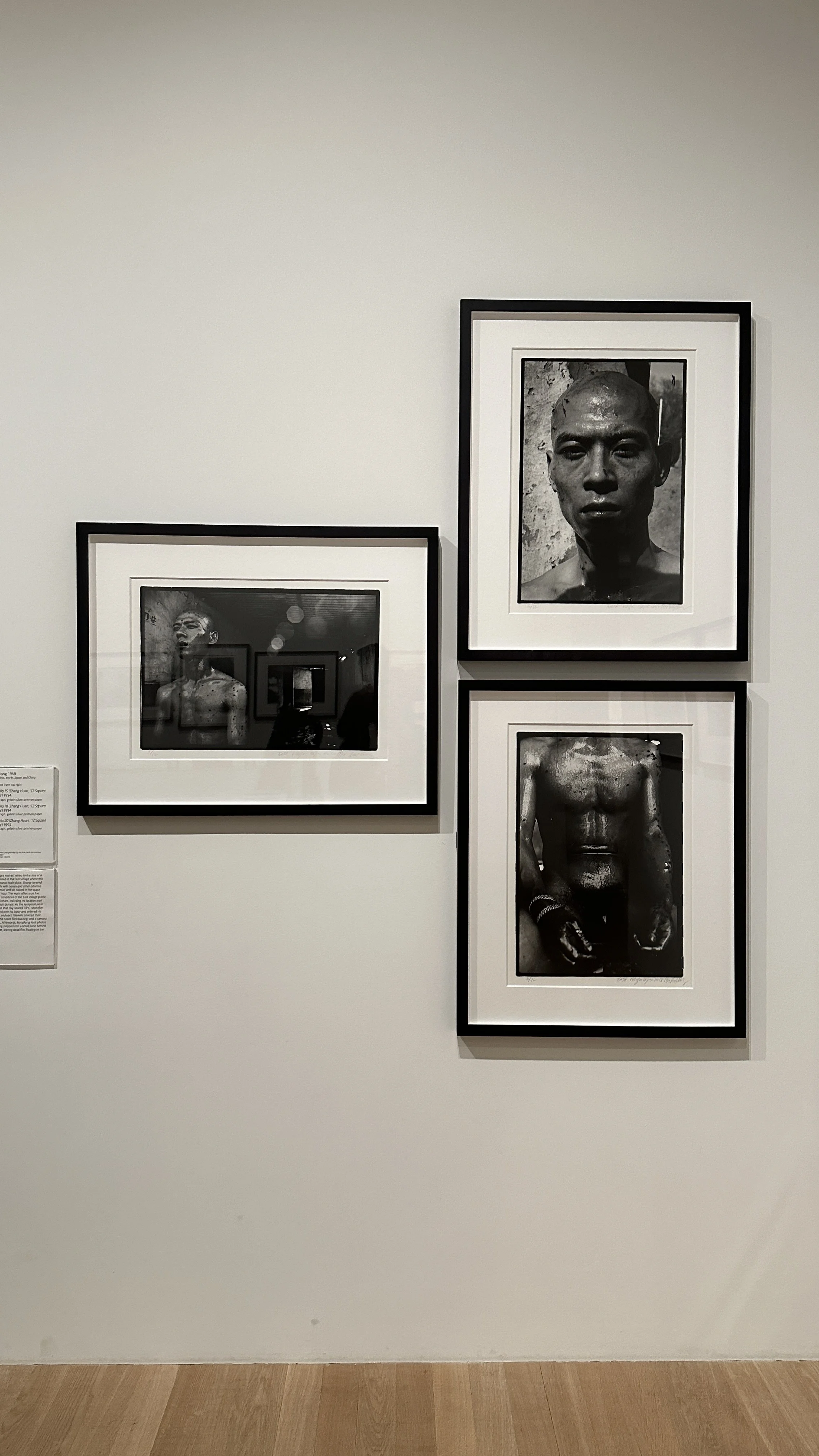
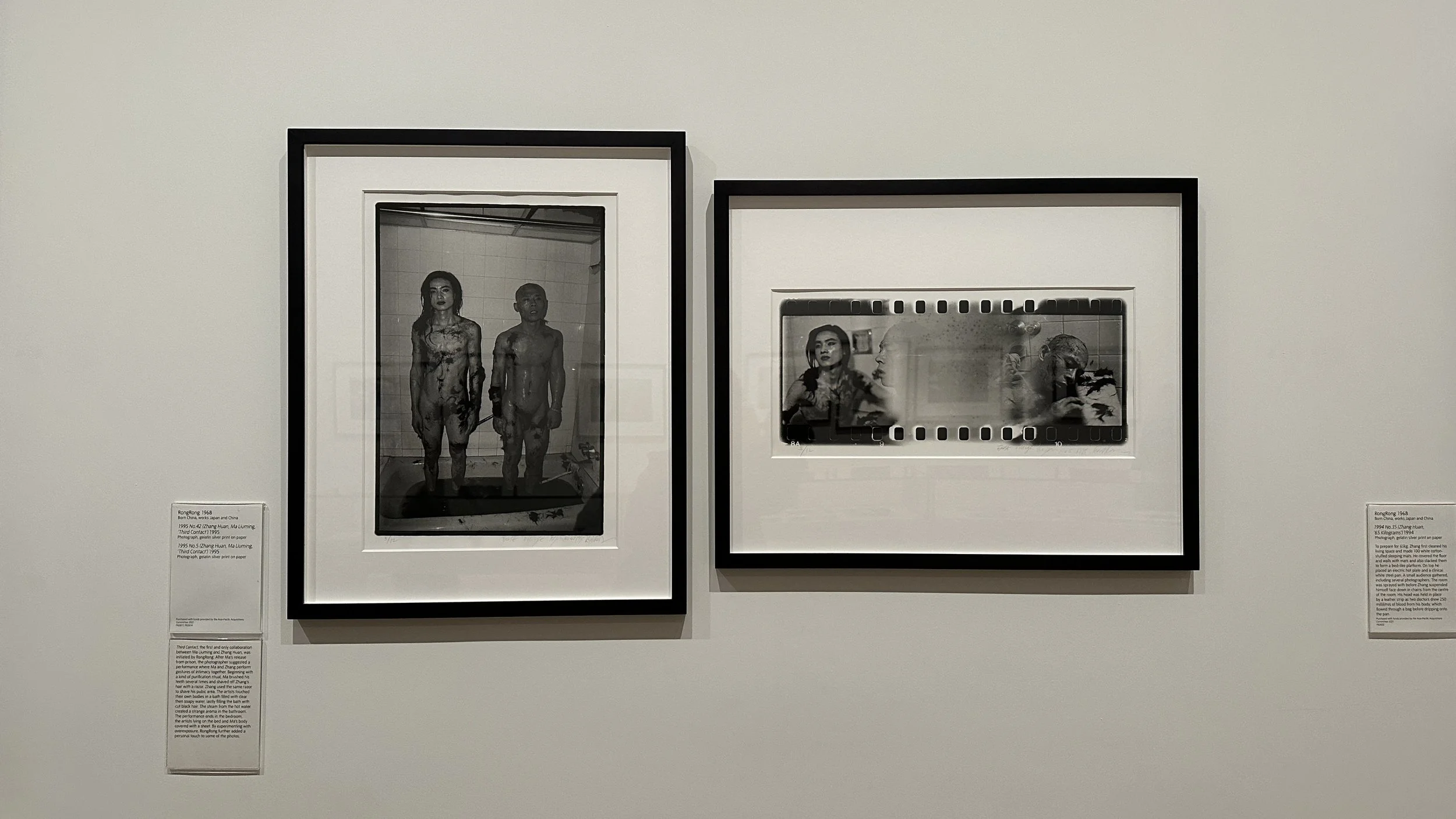
Beijing East Village: Intimate Collaborations
-
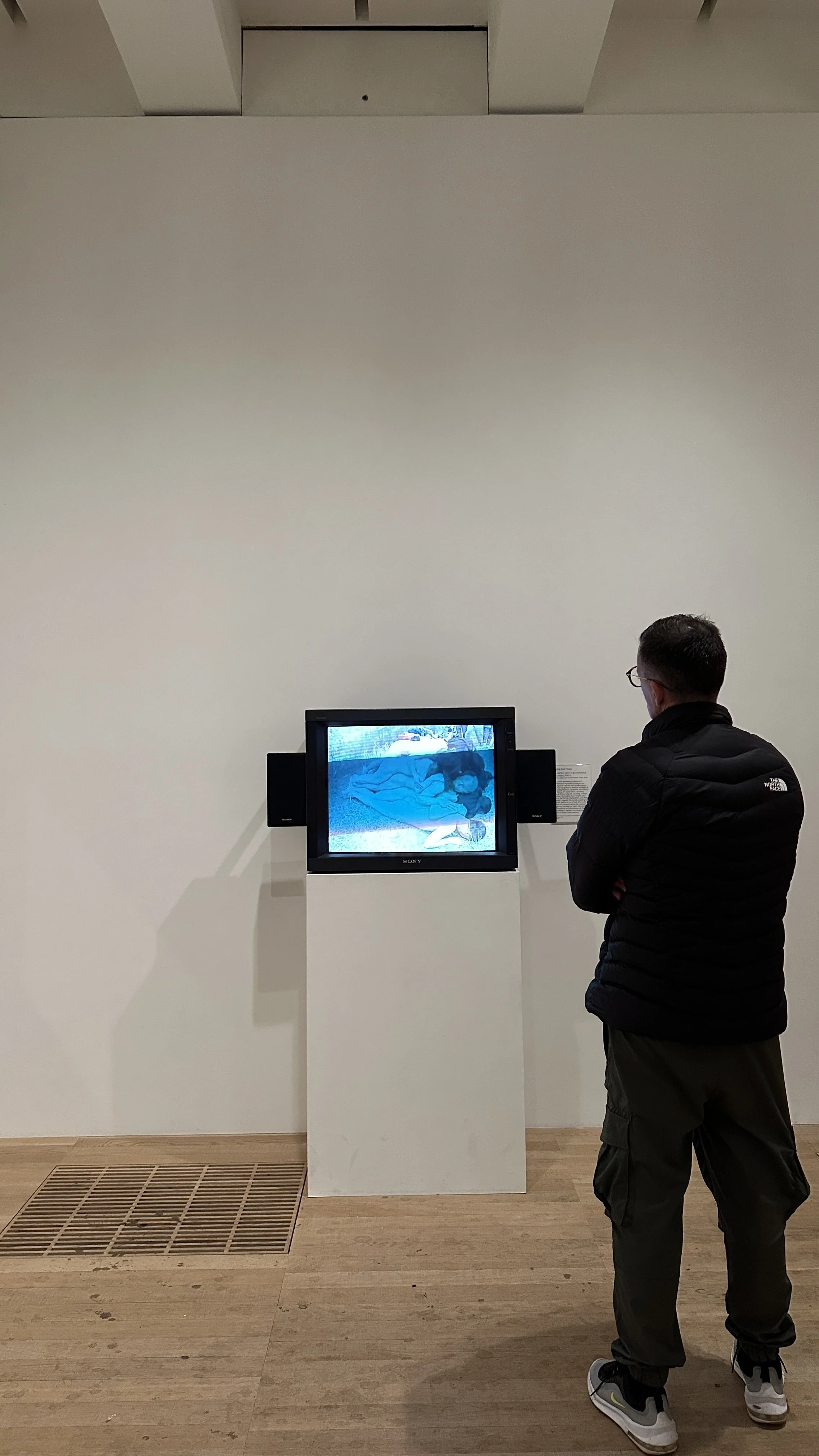
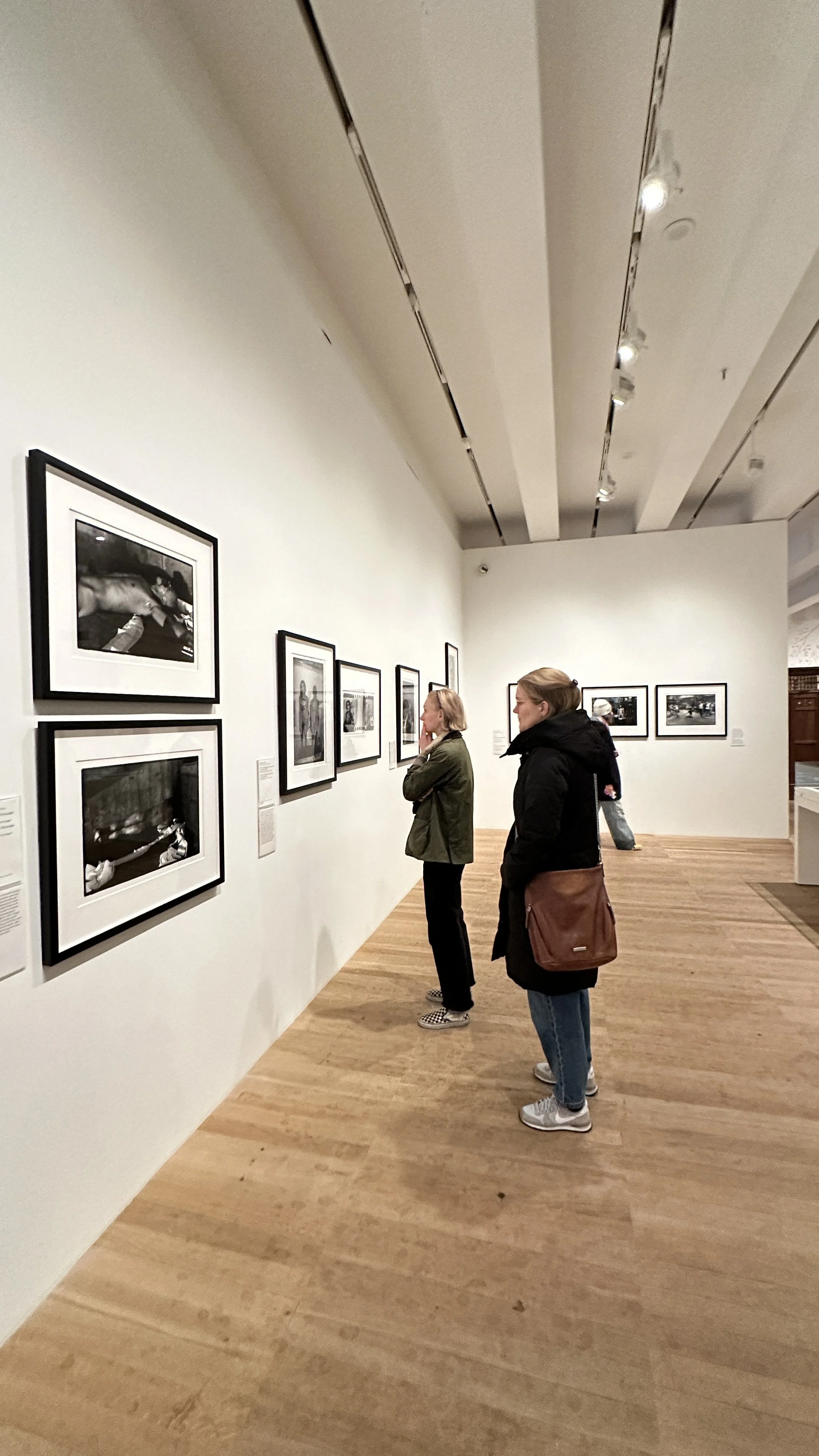
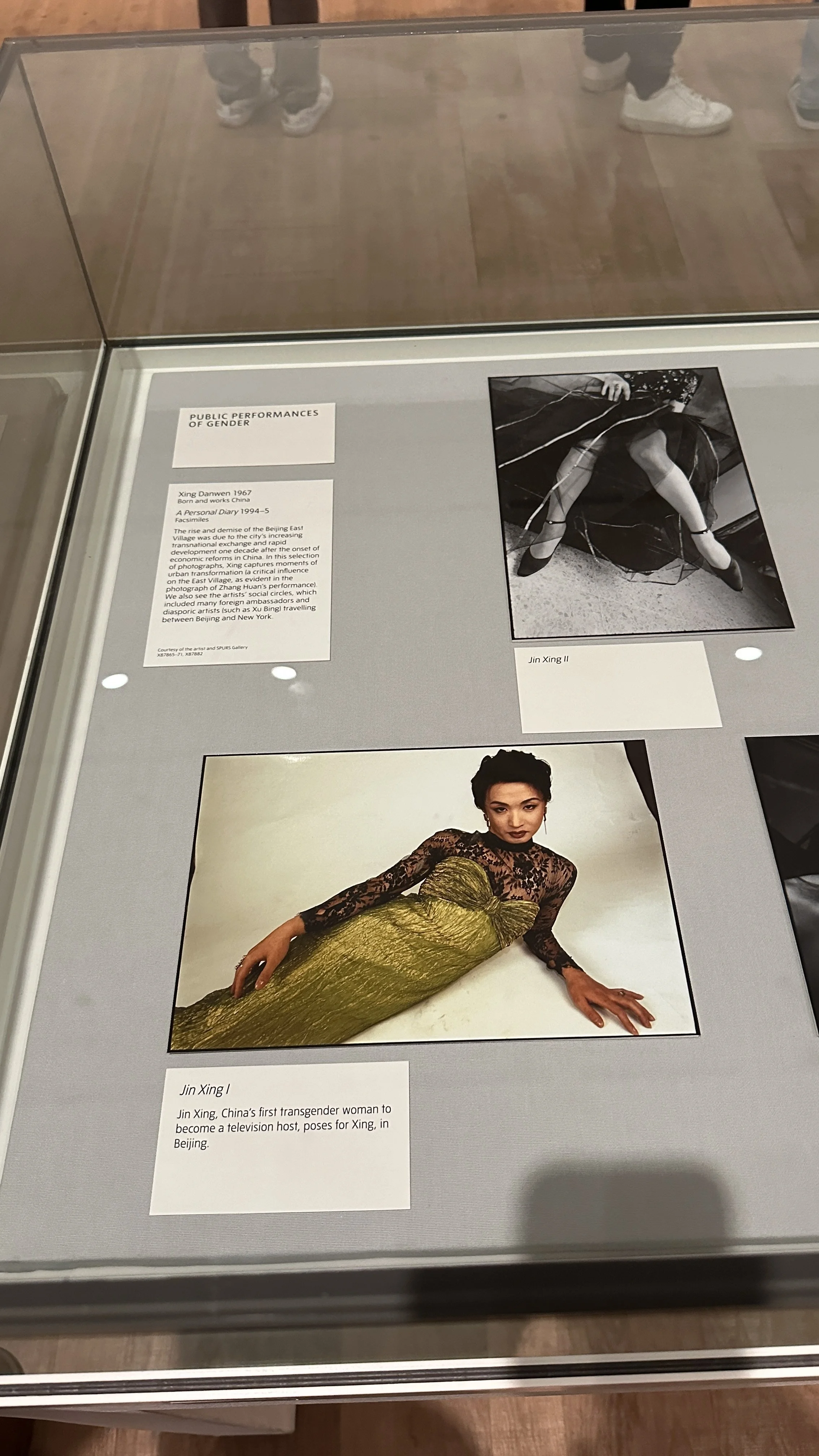
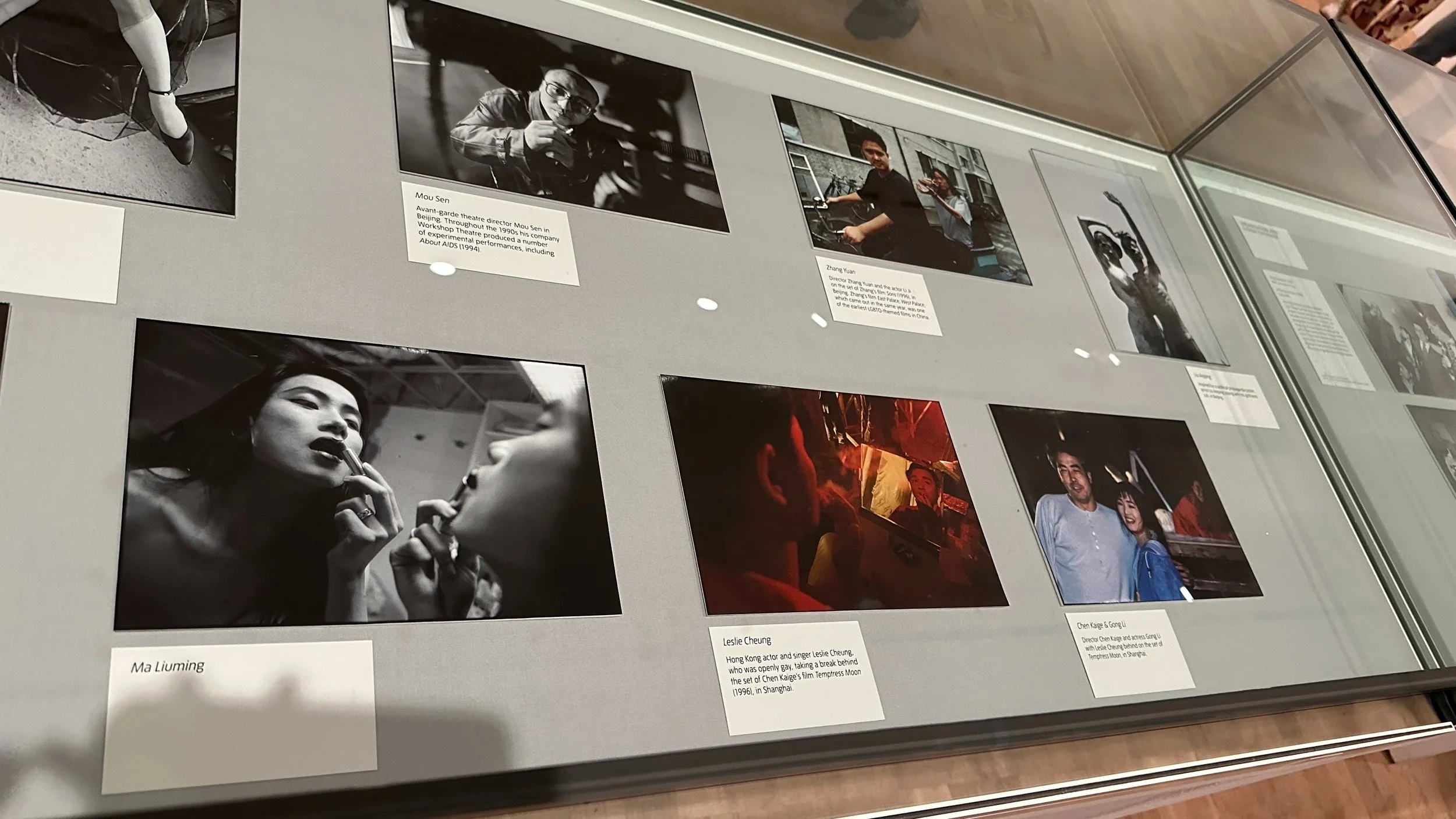
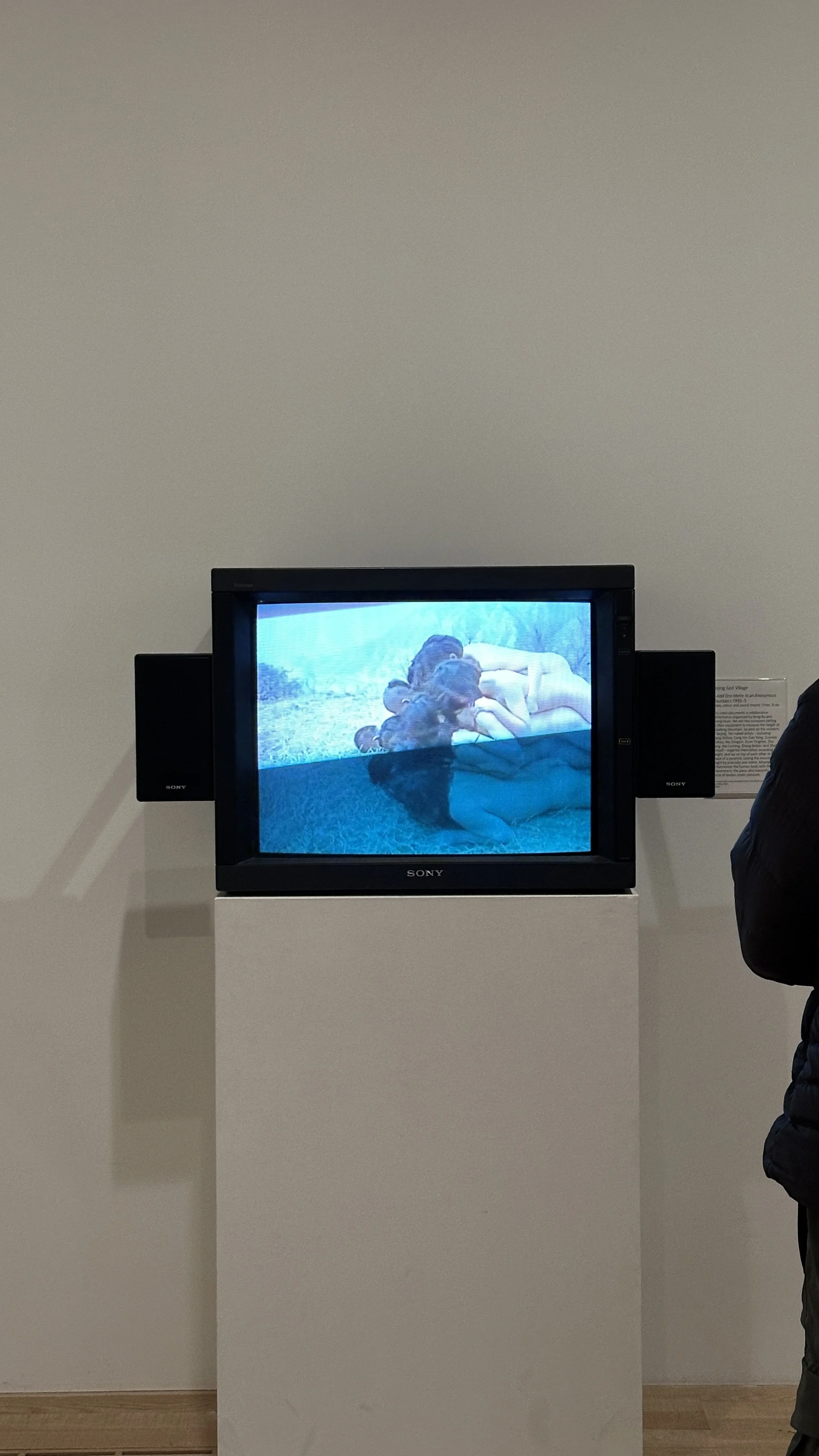
The use of photography & video (presented on a retro TV) creates a sense of nostalgia and truth which connects to the context of the work’s documentation of Beijing East Village’s history. It allows the viewer to look at the recorded happenings in different ways/ from another perspective due to the strong captured expressions and placement of what the people in these pictures are performing.
-
The work is placed at a setting which allows the viewer to circulate around the photographs freely, hypothetically ending with a video installation which allows the spectator to experience the story in a 360 degree approach; therefore making us engulfed in the artists’ created world in this setting.
-
The framing of putting these photographs in frames make viewers even more cognisant of how we are living in different times to what is presented, making the viewers reflect more on how fortunate they are currently compared to the stories of people presented in these photos where they are not given the freedom to act and express themselves as desired.
-
The gaze might influence the work if the viewer is from a different culture as the content is deeply focused on showing a protest towards the happenings in Beijing East Village. The idea of gender & identity is more “taboo” and a topic that’s usually avoided in China which creates another sense of significancy for gazes of the same culture, while people in other cultures might perceive the work with a sympathetic eye or a sense of understanding new cultures.
-
There could be a total of 6 gazes in this work. Gazes from the those from the same cultural background and those indifferent to it. Gazes from people who has similar gender expression difficulties with those who doesn’t, and lastly gazes of people of the same culture looking at those who are not, and people experiencing the same difficulties looking at those without the same issue.
-
The notion of the gaze intersects with the principle of visual analysis such as its content due to the strong portrayal of the artists’ activist behaviour towards the depicted event. It could also affect the form of this exhibit as viewers could view the series of photographs and video from different directions due to the boxed setting.
-
My identity as an Asian shapes my gaze as it allows me to look at people who are not of the same culture looking at these photographs. It made me think what those people may interpret due to its strong and emotional portrayed expressions, and whether they understand why the artists chose to use such strong and possibly triggering visual performances within the medium to present their ideas, since they might not have the context of Chinese politics & beliefs.
-
I may “see” the last video installation differently using my gaze as someone of the same culture as I understand more why these artists chose to use themselves as a medium in the video as a way to express their frustrations, and to why they chose to perform that way as to me, it seems like an imitation of an event which happened in the past in China which only people of the same culture would immediately associate to; showing how limited and “jailed” they are to express themselves freely. It makes me relate previous context to the understanding of how there are consequences for people who wishes to “voice” out their opinions due to cultural constraints, resulting to a performance and video recording with silence.

Yasmin Jahan Nupur & Bharti Kher
-
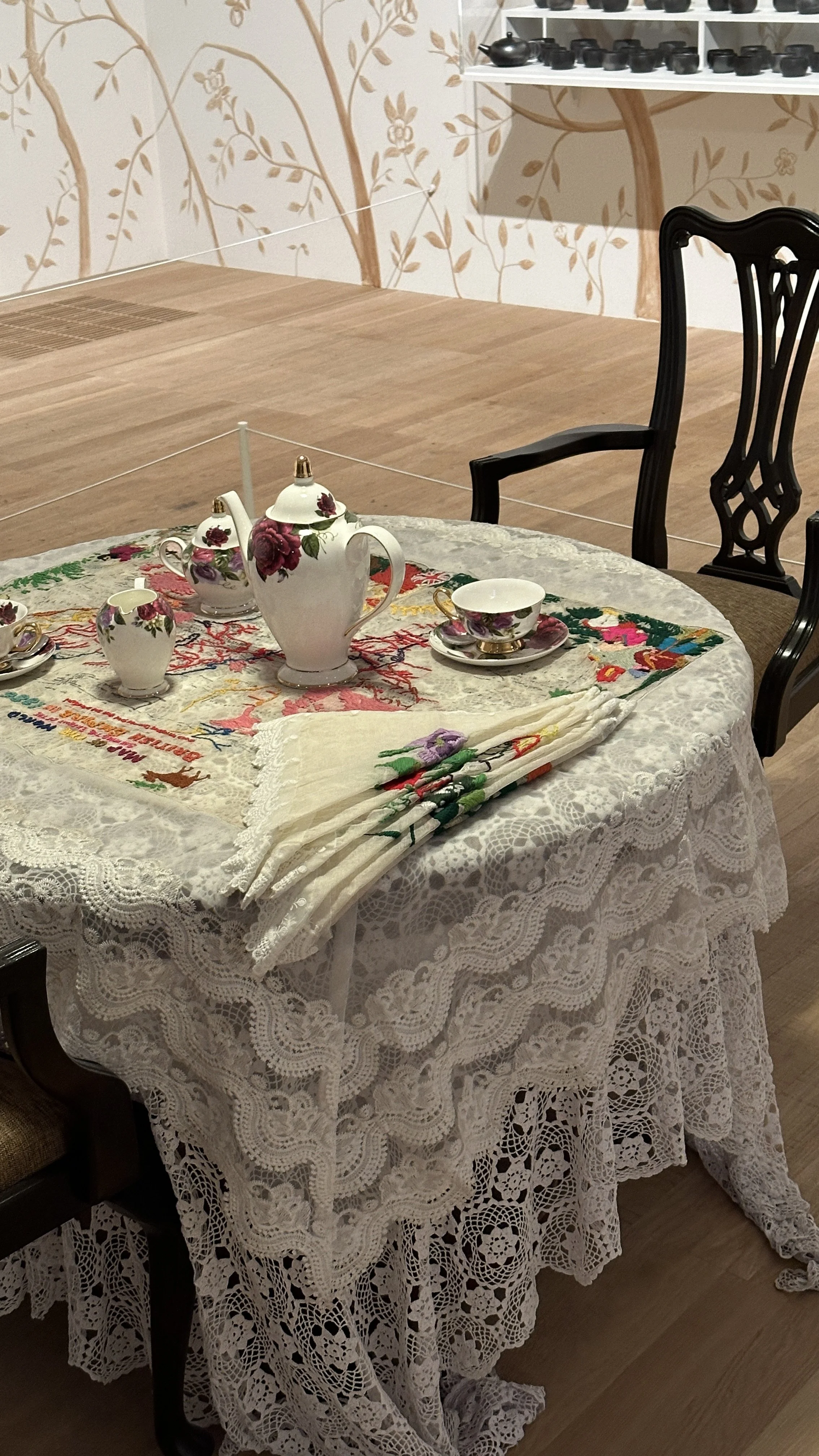
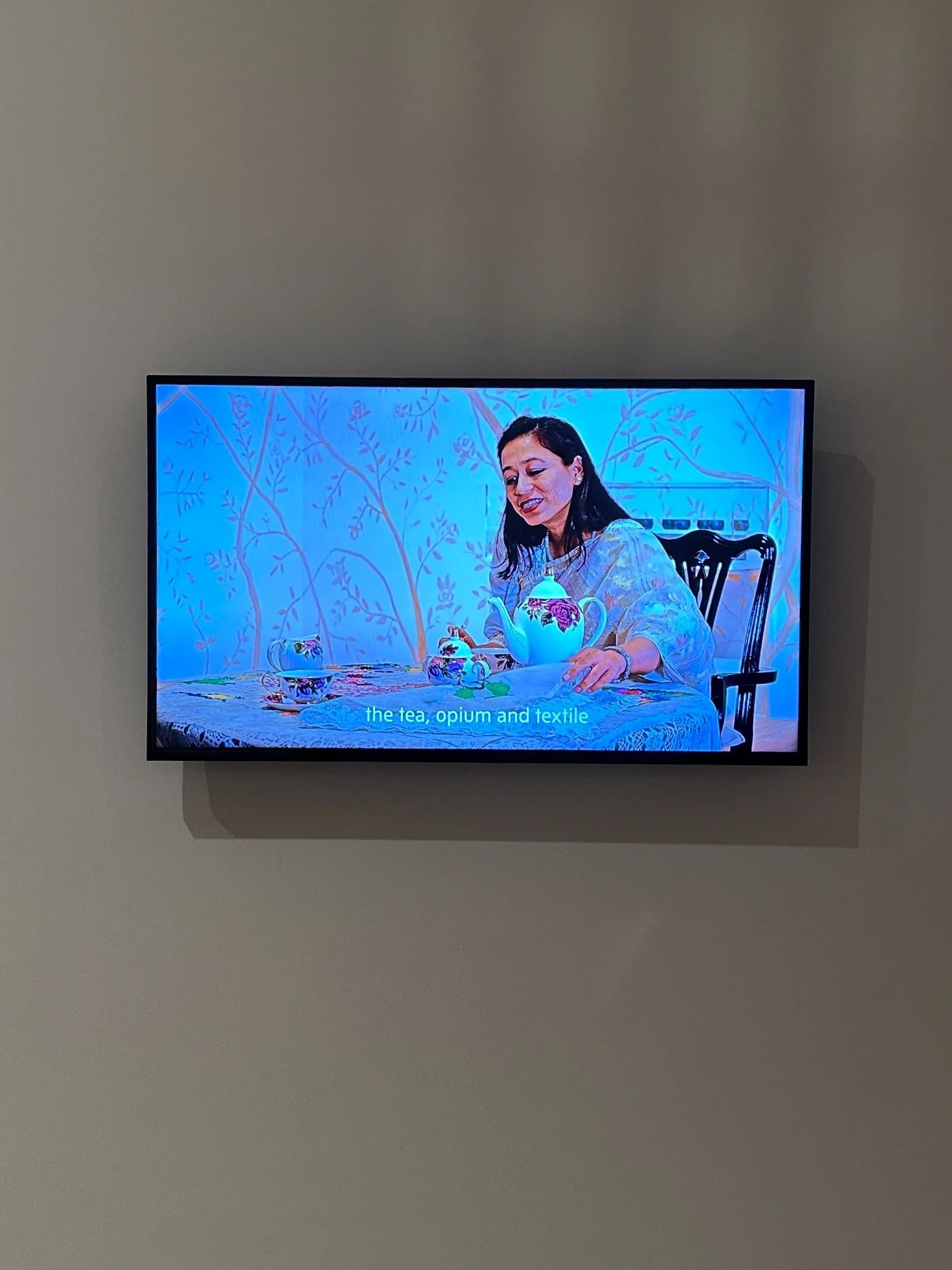
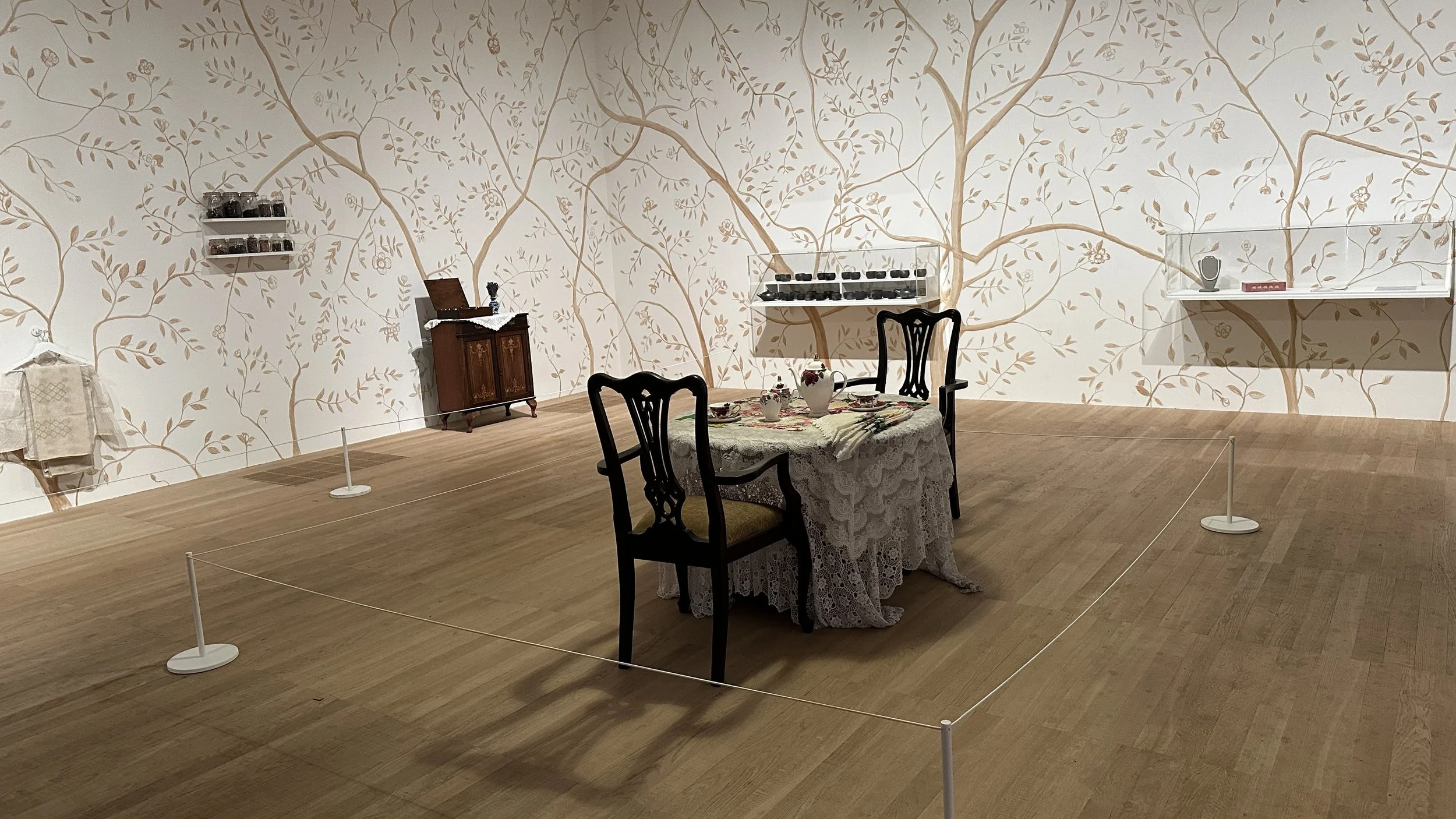
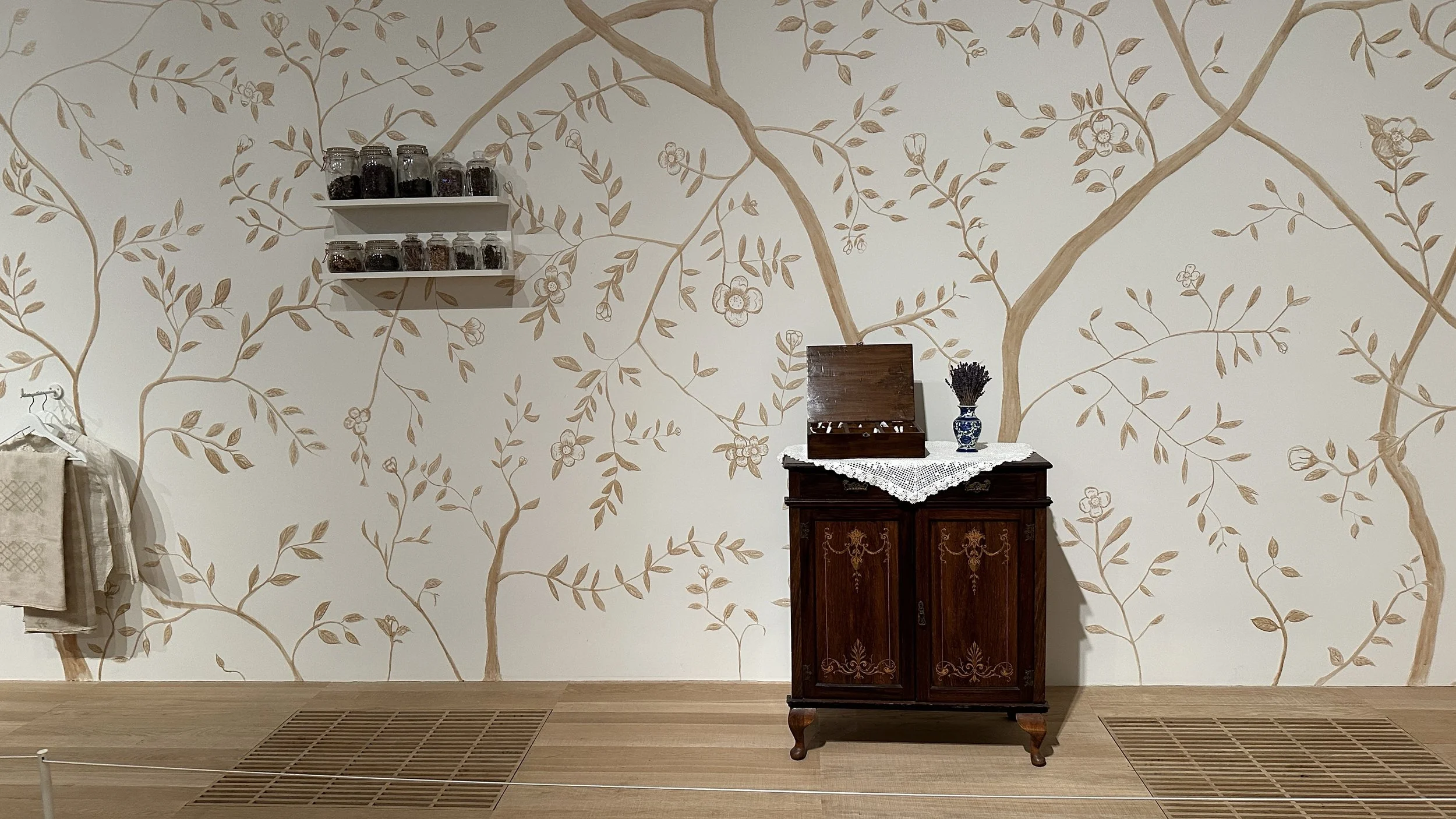
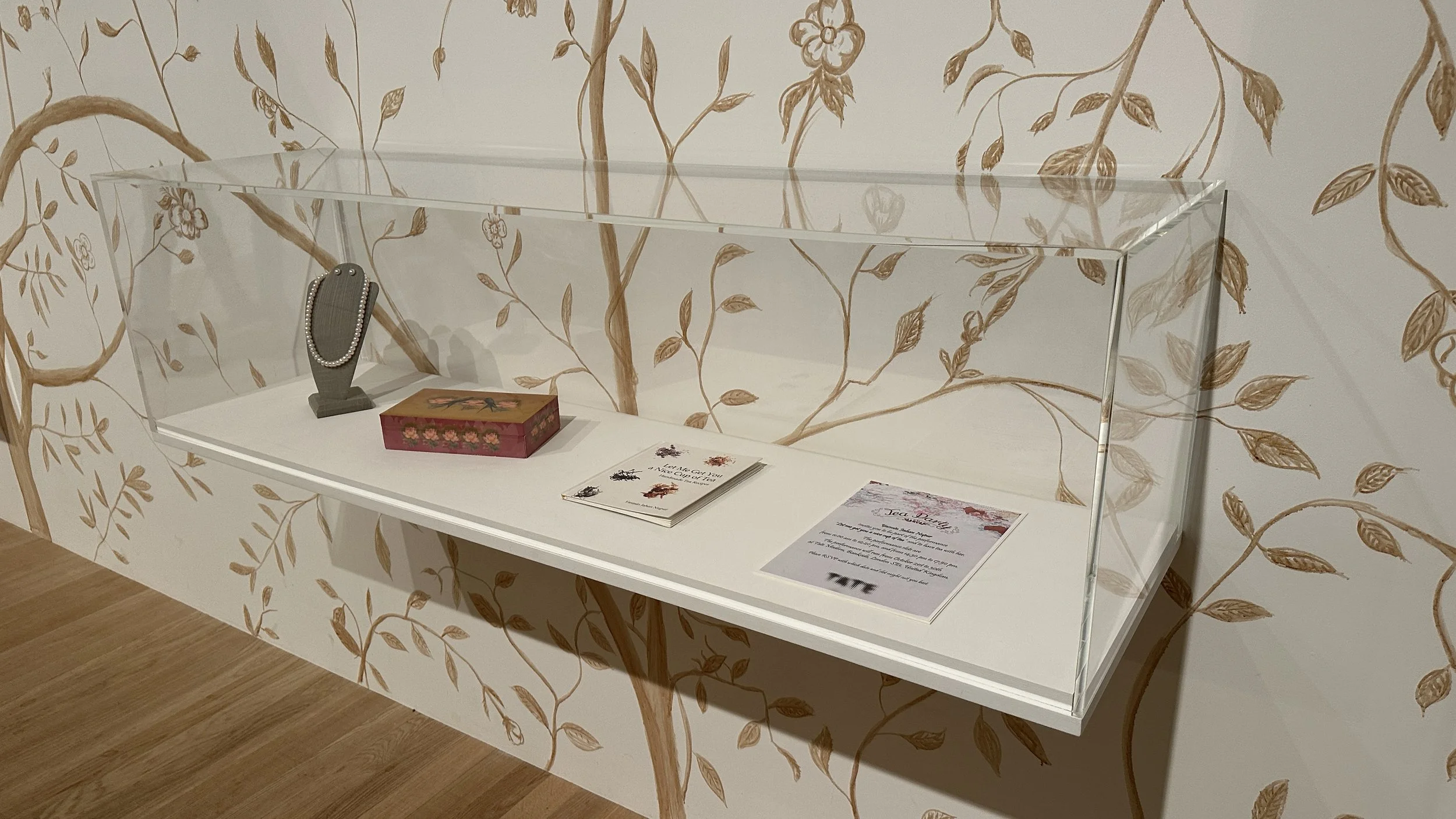
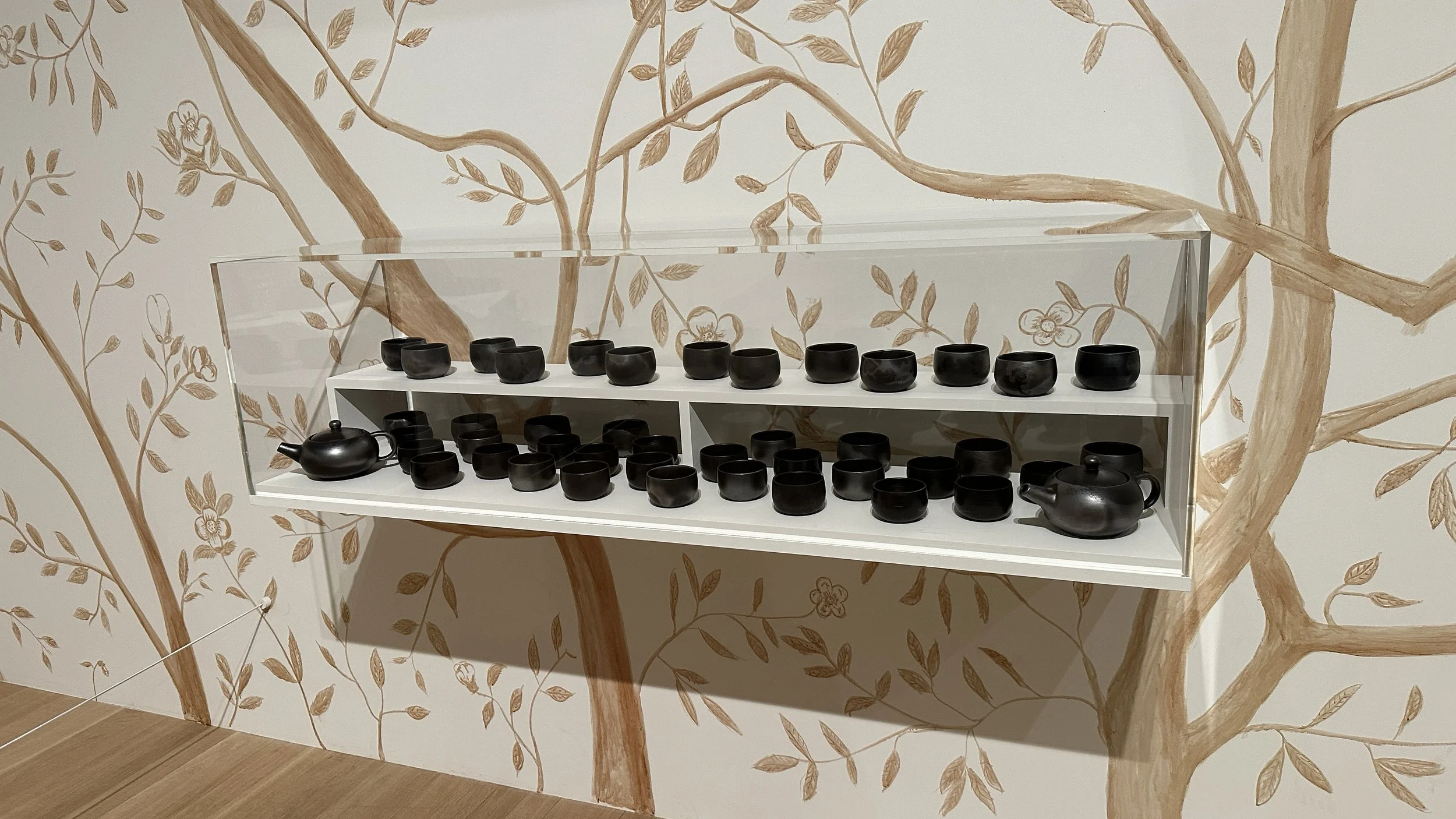
The artists chose to translate their ideas through an installation separated in two forms. As an activity conducted only at the beginning upon the exhibition’s opening, the work acts as a form of interactive installation where the artist actually comes in and site on the table at the centre of this installation, involving and asking spectators to join her for a cup of tea. The second part of this work demonstrates just the installation without any participants, leaving a pre-recorded video showing snippets of previous conversations.
How the setting of this ‘tea party’ is placed allows the audience to see the conversations and what’s going on from a 180 view. The viewers exist in this space through the realistic representations of an environment stimulated from real conversations.
-
The setting where this installation is placed definitely changes its potential viewers, as the people who comes across this work for instance in a public area would not have been as interested in taking time out to stop and hold conversations that could slow or disrupt the rhythm of their everyday life. It only works in the context of an exhibition as viewers would be willing to participate in the work to have the performance proceed accordingly.
-
The framing and positioning of each element gives a timeless impression as ‘having tea’ is applicable and common from the past to present times. It’s value becomes especially important now as it is an activity people nowadays yearn to do as a form of rest.
-
The gaze might influence the experience of this artwork as different people of different values might not result to the same desired conversations it could also be common for difference in gender to perceive the experience differently with stereotypical desires for women to go for small chats while men less likely.
-
There could be a total of eight gazes. People from the same culture as both artists which understand the choice of tea they chose to serve and those who aren’t, people who enjoy tea culture with those not interested, the difference on perception between male and female, and gazes from people who are having the conversation and people outside looking at this conversation happening from a third person perspective.
-
As someone also from an Asian culture, I understand why the artists would choose to use herbal tea as a main focus to accompany the act of having casual conversations with the artist. With personal interests in the tea culture as well, the conversations held and my perception of the chosen tea displays would make more sense compared to someone passing by this interactive installation elsewhere. The purpose could change if these held conversations does not hold its original purposes to form deeper connections through slow and relaxed engagements.
-
Item description
Overall Thoughts & Application
By allowing ourselves to critically analyse works with perspectives of the Gaze and framing, it made me realise the importance as art directors to put in mind at all times how the work would be received by different people and the context its put in. During this activity, I noticed how some of these works only creates due to the setting its put at. The underlying meaning under each piece could also be perceived differently by people of different backgrounds, gender, or beliefs. Making use of the learning outcomes of this activity, I was able to think more about how the chosen planned mediums for my briefs add meaning to the piece, and whether it can communicate initial idea and rationale successfully. As art directors, it is our role to translate meaning to an audience and initiate change. Framing and considerations of the Gaze comes to fore as one of the many aspects in achieving this goal.
Read Next
-
![]()
Definition & Lexicon
-
![]()
Personal Manifesto
-
![]()
Gallery & Exhibition Visits
-
![]()
Brief A: Abstraction
-
![]()
Brief B: Library of the Babel
-
![]()
Brief C: Hybridisation
-
![]()
Portfolio Developoment